
“Not everything that is faced can be changed, but nothing can be changed until it is faced.”
― James Baldwin
why radicalized care?
Radicalized Care is deeply rooted in the principles of community care, which includes you — encompassing emotional, psychological, cognitive, spiritual, physical and relational care. These intersecting forms of care are only considered radical in the context of existing in the imperial core. They challenge the status quo, which prioritizes individualism over collectivism.
Imagine a world where interconnectedness, collaboration, and mutual support are not just ideals but the norm. Should this be our consistent and sustainable reality? YES. The current systems are not designed with our needs in mind and collectively, we can co-create a world that nurtures and uplifts our external and internal world.
We are here to build a movement—one that invites us to create, imagine, and dream of a future where everyone can truly thrive, not just survive. Collective healing prioritizes community over individualism. It invites us to gently explore and unearth the internalized trauma through capitalism, colonization and imperialism that may have been passed down through generations, helping us reconnect with our inner wisdom and return to our authentic selves.
What may feel radical today can become a natural part of our everyday lives. As we embrace these practices and values, we can cultivate a culture of care that empowers us all, transforming our communities into spaces filled with compassion, mutual care, and empathy. Within our lifetime, the world we envision is not only possible but also within our reach and it starts with you/us.
decolonial psychotherapist
about me
I am an Decolonial Psychotherapist, Abolitionist Social Worker and Community Organizer residing on the unceded land of the Ohlone people, colonially known as Oakland, California.
I arrive here as a descendant of colonized, occupied, displaced, and liberated Vietnamese people.
My lived experiences of being a queer, non-binary, multiply neurodiverse, disabled, forcibly displaced, 1st-generation on stolen land, person of the global majority navigating the world and the trauma that comes with that, has led me to the practice of healing at a young age. As I learned about intersectional oppression, I began to make sense of myself, the world and how everything is interconnected. My values for collective liberation, healing and community have led me here.

abolitionist social worker
trang nguyễn
pronouns: they/them
vietnamese pronouns: chanh
My Approach To Therapy
I believe that each person has the capacity and desire for collective and personal growth, healing and change. I aim to support you in exploring the answers within yourself. My position is to guide you in uncovering awarenesses and illuminating your strengths so that you can learn to empower yourself.
Framework
I use a justice-oriented, anti-oppressive, abolitionist, decolonial, intersectional, anti-capitalist, anti-imperialist, transformative + restorative justice, harm reductionist, depathologizing, non-carceral and trauma-attuned approach. I look beyond the individual and familial context, and I also encourage you to look at how community, society, systemic oppressions, and ancestry influence your lived experiences, how you understand the world and how these systems affect our emotional, psychological, cognitive, spiritual, and physical health.
I Meet You Where You Are At
I acknowledge, expect and honor that you will show up differently in every session. I get the opportunity to offer attunement and autonomy for you to move fluidity through the complexities of your human emotions and experiences.
I don’t get to dictate timelines or outcomes - these variables are never within my control, nor will I project that onto you. What I do get to do is create a container to move at your pace and be curious with you in exploring your internal world, external world and explore how they align. I have the privilege to offer a consistent presence so we can collectively build a foundation for the parts of you that have not felt seen, heard, empowered, or protected. This process provides a safe container for you to access the depth of your subconscious, then we can brainstorm and collaborate on what your healing journey will look like.
Read more about my areas of practice here.
Experience & Education
I am a Licensed Clinical Social Worker (LCSW#123323) with the Board of Behavioral Sciences (BBS).
I received my MA in Social Work (MSW) and Pupil Personnel Services Credential (PPSC) from San Jose State University and my BA in Sociology from San Francisco State University.
Since 2015, before graduate school, I worked with justice-involved individuals and youth in the foster care system, which inspired and rooted me into collective liberation and solidarity work.
I have training in sociology, social work, psychology and mental health. While I was in graduate school I spent 1200 hours working 1:1 with children, youth and family. After I graduated I spent 3000 hours doing clinical work and providing therapy for children, teens adults and families in order to obtain my license to work as a licensed clinical social worker and licensed psychotherapist. I have had an additional 2000 hours of clinical work supporting people who require complex and intersectional support.
My overall experience includes providing psychotherapy and care services for adolescents, neurodiverse, and queer/trans individuals, facilitating intensive family work, visiting my clients while incarcerated, advocating in court, performing comprehensive needs assessments, crisis intervention and deescalation, collaborating with community partners, connecting clients to appropriate services, and developing and implementing re-entry, mental health diversion and treatment plans.
Services
-
I work with Individuals, Adults, Teens, Children, Families and Relationships
You can read more about my areas of practice here.
-
I offer support for Monogamous, Non-monogamous, Multi-relational and Platonic Relationships.
I offer short term mediation and conflict resolution support.
-
KAP is an innovative approach that combines the therapeutic benefits of ketamine with psychotherapy sessions. This method can provide profound insights and facilitate deeper healing for a variety of mental health conditions, including depression, anxiety, PTSD, and chronic pain, among others. By temporarily altering the brain's neural pathways, ketamine allows clients to explore their thoughts and emotions from new perspectives, often leading to significant breakthroughs in their therapeutic journey.
Read more about KAP here.
-
Navigate the depths of your psychedelic experiences with holistic Guidance in Psychedelic Integration Therapy & Coaching
Psychedelic Integration Therapy is designed for individuals looking to comprehend and utilize their profound psychedelic experiences with the guidance of a trained professional.
This specialized form of therapy and coaching is essential for transforming extraordinary experiences into meaningful personal development and improved daily living.
I provide a welcoming and knowledgeable environment for those who may feel overlooked or invalidated by conventional therapy settings. My method encourages clients to express and delve into the insights gained from their psychedelic journeys, promoting a deeper understanding and integration of these insights into their lives.
Clients thrive in a supportive atmosphere that nurtures emotional resilience and clarity, contributing to overall mental health and spiritual well-being. By merging my specialized training with a compassionate, client-focused approach, I ensure that each session honors the profound nature of psychedelic experiences while aligning seamlessly with the individual's therapeutic and/or coaching path. This thoughtful and inclusive methodology opens new possibilities for clients eager to explore their inner selves and leverage their experiences for significant life transformations.
-
Holistic Defense Based Support + Collaboration
Writing bio-psychosocial reports + comprehensive assessment
Developing re-entry case plans + mitigation + mental health diversion (MHD) reports
Developing plans to help people reintegrate with their communities after detention/incarceration or during probation
Linkages + connection to community programs, services and resources
Advocating for community-based solutions as alternative to incarceration
Strategic collaboration with defense attorney
Read more about this service here (end of the page).
-
Coaching is a collaborative process that helps people identify and achieve their goals in many areas of life. Coaching services are intended to support people reach a clear goal/intention by working with specific challenges.
Types of Coaching:
Neurodiverse-affirming
Parenting
Grief
Psychedelic
Death/Dying/End-of-life
Neurodiverse-affirming coaching honors the way your brain is wired. I can support you in better understanding your own wiring, and how to locate, identify, formulate, and communicate your needs. I believe autism, ADHD, and other neurodivergences are neurological differences, not diseases to be cured. We will work through this space while unmasking (if desired), and not create support systems and structures that promote further masking.
Coaching use a variety of tools and techniques to support clients:
Executive functioning skills
Regulate emotions
Sensory regulation
Nervous system regulation, care, flexibility and mobility
Unmasking (if desired)
Build confidence + self-esteem + self-worth
Develop alignment in core values and current life
Familial Support
Coaching Clients: open to all globally
-
Short term, sliding scale sessions for work accommodation letters (i.e., for disability, COVID-19 remote work and safety, other access needs and support); ESA letters; gender affirming care letters.
-
I work with individuals, other therapists, practitioners, families, mental health professionals, organizations, organizers, companies, government agencies, etc. to provide emotional, systematic, psychological and mental health support, clarity, guidance and psychoeducation.
As a mental health consultant, my primary responsibility is to provide psychoeducation and guidance with the intention of supporting the individual and community's well-being.
I provide consultation to help folx integrate decolonial and anti-oppressive practices in their business, practice, organizations etc.
I provide guidance, support and coaching for individuals, therapists, healers who are starting to build their practice and do not know where to start or how to move through the business logistics as a new private practice/business owner.
(contact me for my rate) ⬇️

Decolonized Social Worker is a Oxymoron
Social work and psychotherapy is deeply rooted in colonialism, extraction, exploitation, and carceral care.
In order to unlearn and divest in the settler colonial project, it is pivotal to acknowledge and dissect the history and oppressive practices that social work and psychotherapy was created from.
Not only did psychotherapy steal from eastern and indigenous wisdom, knowledge and model of care, it repackaged it, commodified it and resold it back to us. This is a form of gatekeeping and does not allow for decolonial care to be accessible to all folks, especially folks who are marginalized and exploited.
Social work is rooted in a complex, harmful history where the profession acted as an agent of colonial forced assimilation.
Historical Roots & Complicity
Cultural Erasure: Social work was historically complicit in settler state violence, utilizing child removal and residential schools to sever Indigenous connections to culture.
Forced Assimilation: Social workers supported government policies intended to destroy Indigenous families, viewing Western practices as superior.
🌱Moving forward: focuses on decolonization, abolition and prioritizing Indigenous worldviews, community-led healing, and sovereignty to counteract intergenerational trauma from oppressive and colonial systems. To practice decolonial psychotherapy and abolitionist social work is to reclaim and take back what has always been ours and to contribute to land back and rematriation, returning Indigenous land and sovereignty to Indigenous people.
How to navigate these systems safely:
assume all social workers and psychotherapists are carceral workers unless proven otherwise.
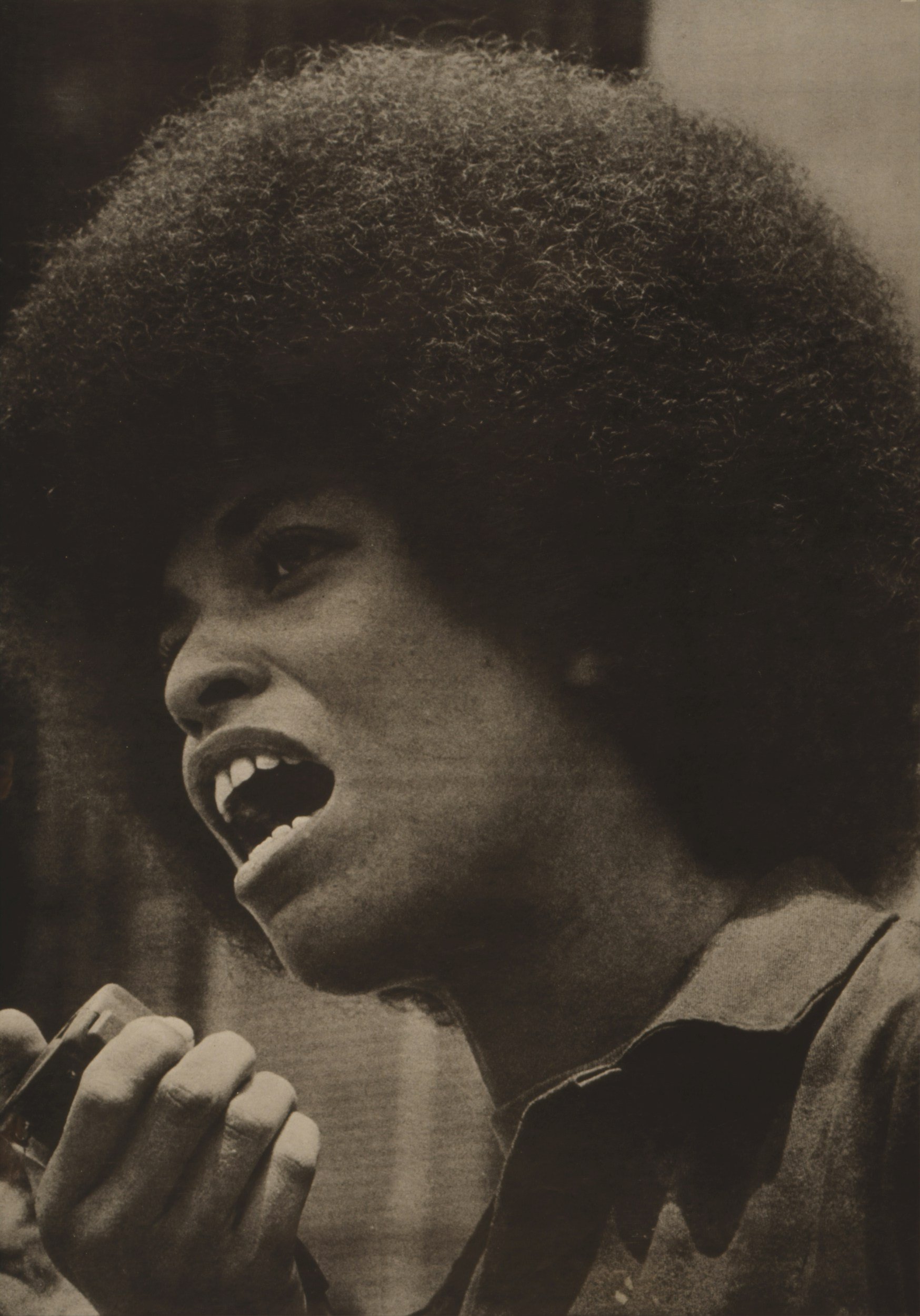
“We have to talk about liberating minds as well as liberating society.”
Dr. Angela Davis

Frequently Asked Questions
-
I will typically start off the call with a few questions to get to know you better, so I can make sure that I am qualified to meet your needs.
We will discuss any issues that you are currently looking to work on. This is also a good opportunity for you to ask any additional questions that you may have about my practice.
At the end of the consultation, you and I will decide what the next steps will be with regard to therapy and/or service linkage. I look forward to speaking with you! ☺
-
If you have any questions, hesitation, or feel icky about the cost of the standard rate of therapy (I do too sometimes ), check out this article to get a better understanding of why therapy costs what it does: Why does therapy cost so much?
-
Consultations: I offer consultations via phone or video, with live captions available for video sessions. If needed, asynchronous email consultations can be arranged upon request.
Sessions: Clients are encouraged to participate in a way that feels most comfortable for them, whether that means wearing lounge clothes, doodling, or relaxing in bed. It's important to prioritize your needs during sessions; all forms of self-care, such as stimming, fidgeting, taking breaks, and eating, are completely acceptable.
While video participation is optional, phone sessions can be requested. Speaking is not mandatory; I also provide text-based or written engagement options.
I invite everyone to share any additional requests for support or accessibility needs they may have.

